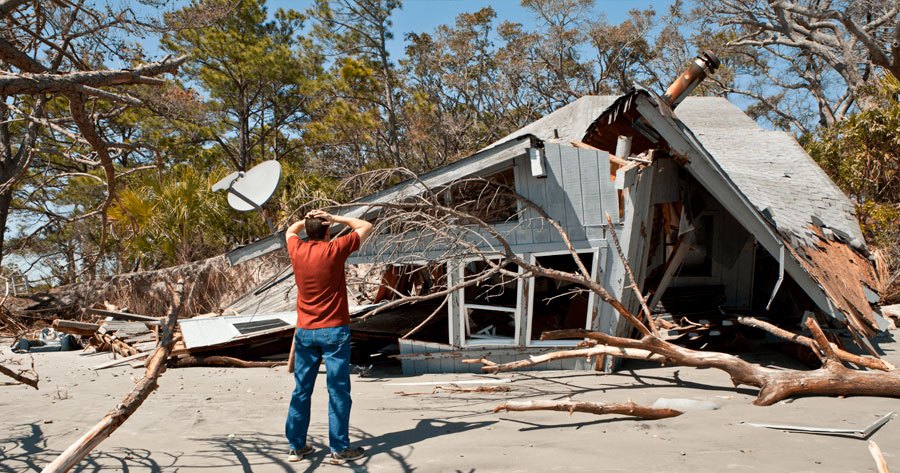
Understanding why insurers deny claims helps homeowners take proactive steps to avoid common pitfalls. In Florida, where hurricanes frequently cause widespread property damage, homeowners rely on their insurance providers to cover costly repairs. Unfortunately, many claims are denied, leaving policyholders frustrated and financially burdened. Knowing why insurance companies reject claims can help homeowners prepare stronger applications, dispute wrongful denials, and seek legal assistance when necessary.
Common Reasons for Denials
Insurance companies often deny hurricane damage claims based on specific policy limitations, lack of proper documentation, or disputes over the cause of the damage. One of the most frequent reasons for denial is the insurer claiming that the damage falls under a policy exclusion. Standard homeowner’s insurance policies may not cover flood-related damage, which requires separate flood insurance. If an insurer attributes damage to flooding rather than wind or storm impact, they may reject the claim based on the policy’s exclusions.
Another common reason for denial is insufficient documentation. Insurance companies require detailed evidence of damage, including photographs, video footage, repair estimates, and maintenance records. If a homeowner fails to provide adequate proof that the hurricane directly caused the damage, the insurer may deny the claim. Additionally, insurers often argue that the damage was pre-existing, meaning it occurred before the hurricane and should not be covered under the policy.
Delays and Procedural Issues
Timeliness plays a significant role in whether a claim is accepted or denied. Insurance policies include specific deadlines for reporting damage, and failure to adhere to these timelines may result in automatic denial. Many insurers require homeowners to report damage within a few days of the hurricane’s impact. If a claim is filed too late, the insurer may argue that external factors unrelated to the storm caused the damage.
Failure to mitigate further damage is another reason claims get denied. Homeowners are responsible for taking reasonable steps to prevent additional property damage after a hurricane. For example, if a roof is damaged, placing a tarp over it to prevent water intrusion is considered necessary mitigation. If an insurer determines that additional damage resulted from the homeowner’s inaction, they may deny or reduce the claim amount.
How Insurance Companies Minimize Payouts
Even when claims are not outright denied, insurance companies often attempt to minimize payouts. One strategy is undervaluing repair estimates, offering policyholders settlements that are significantly lower than the actual repair costs. Insurers may send adjusters who work in their favor rather than providing independent assessments. Homeowners may also experience claim delays, with insurers repeatedly requesting additional documentation or prolonging the review process to discourage policyholders from pursuing full compensation.
Some insurance companies also use ambiguous policy language to justify denying claims. Policies are often complex and filled with legal jargon that is difficult for homeowners to interpret. Insurers may argue that damage falls within a vague policy exclusion or that specific provisions limit coverage for certain types of hurricane-related destruction.
How to Strengthen Your Claim
To avoid claim denials, homeowners should take proactive steps when filing for hurricane damage. Documenting damage immediately after the storm is essential. Taking photos and videos from multiple angles, keeping receipts for emergency repairs, and obtaining independent repair estimates can provide compelling evidence for the claim. Additionally, maintaining a record of all communication with the insurance company, including emails and phone calls, helps build a strong case.
Seeking a professional assessment can also improve claim approval chances. Public adjusters and independent contractors can provide objective evaluations that counteract undervaluation by the insurance company’s adjusters. If a claim is unfairly denied, consulting a property damage attorney can help homeowners navigate the appeals process and, if necessary, take legal action against the insurer.
When to Seek Legal Assistance
If an insurance company wrongfully denies a claim, significantly undervalues damage, or engages in unreasonable delays, hiring a property damage attorney is a crucial step. Attorneys specializing in insurance disputes can negotiate with insurers, provide legal arguments against unjust denials, and represent homeowners in court if necessary. Florida has laws protecting policyholders from bad faith insurance practices, and legal representation ensures these rights are enforced.
Conclusion:
Knowing insurance tactics helps homeowners prepare for claim disputes and seek professional assistance when necessary. Insurance companies deny hurricane damage claims for various reasons, but homeowners who understand their policies, document damage thoroughly, and act quickly can strengthen their cases. In cases of wrongful denials, legal assistance can make a significant difference in securing fair compensation. Taking a proactive approach to hurricane damage claims ensures that homeowners receive the financial support needed to rebuild and recover after a storm.